

A CLOSER LOOK

Border Collie vs German Shepherd Dog

Explore the care and training considerations in two reviewed working-breed guides before planning your daily routine.

Breeds in this comparison

Black-and-white Border Collie looking to the side, with bright eyes and a feathered coat.
Medium

Border Collie↗

A highly intelligent herding dog happiest with purposeful work and an engaged, active owner.

Reviewed profile
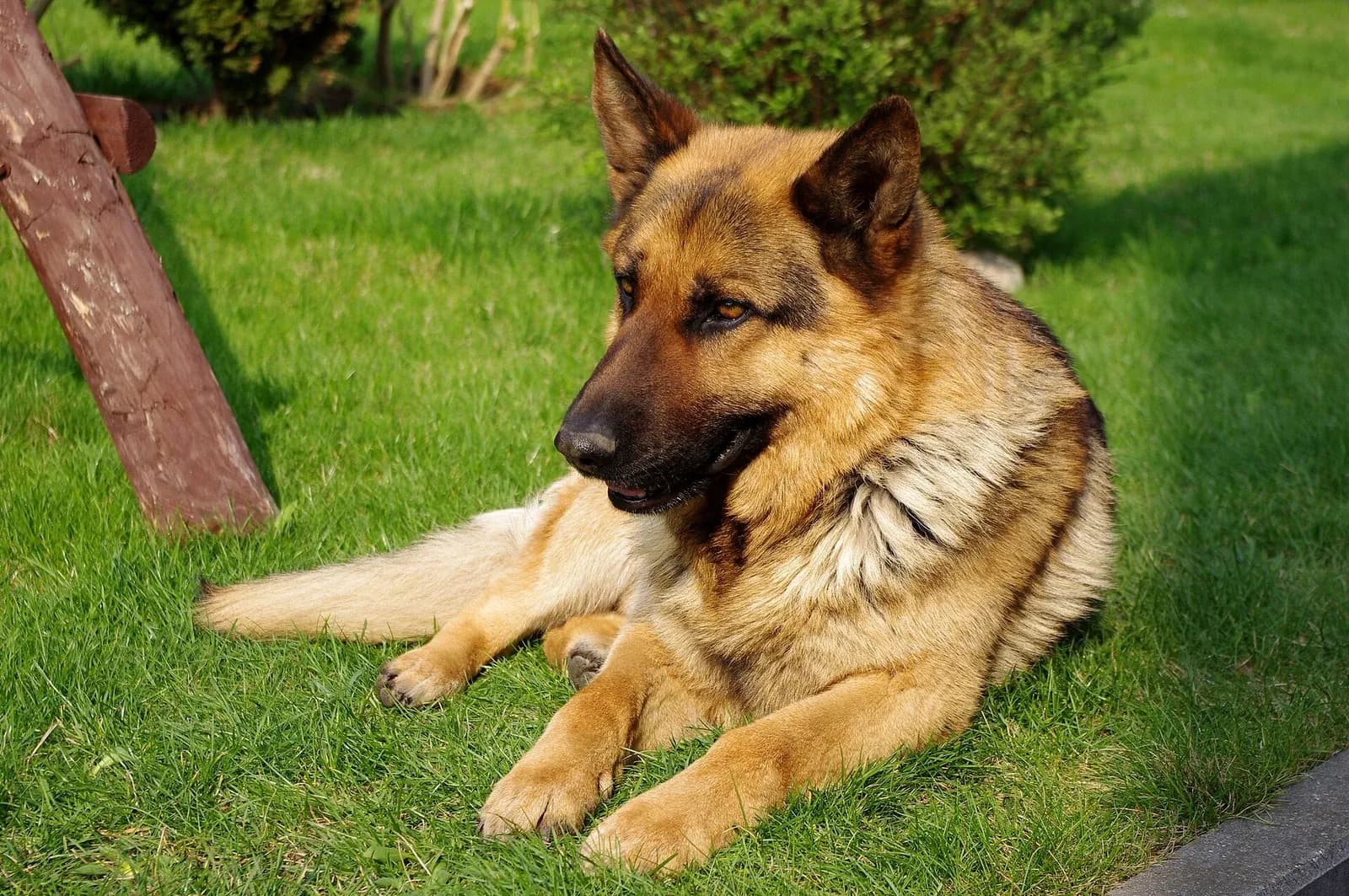
Black-and-tan German Shepherd Dog resting on green grass with erect ears.
Large

German Shepherd Dog↗

A versatile working dog who builds a strong bond through structured training and shared activities.

Reviewed profile

Size, temperament & everyday care

Both breeds have complete reviewed PetMatch guides. The comparison below uses their existing source-linked care data. Trait levels describe tendencies, not guarantees about a dog.

Border Collie vs German Shepherd Dog: breed characteristics and care needs
Care considerationBorder CollieGerman Shepherd Dog
Temperament (source description)energetic / affectionate / smartcourageous / confident / smart
Adult sizeMediumLarge
Height19-22 inches (male), 18-21 inches (female)24-26 inches (male), 22-24 inches (female)
Weight30-55 pounds65-90 pounds (male), 50-70 pounds (female)
Typical lifespan12-15 years12-14 years
Energy and exerciseVery highVery high
Mental stimulationVery highVery high
GroomingModerateLow
SheddingModerateHigh
TrainabilityVery highVery high
BarkingHighModerate
ChildrenModerateVery high
Other dogsModerateModerate
Apartment adaptability (editorial)Very lowLow
First-owner suitability (editorial)Very lowLow
Climate considerationsUnknown; assess individual needsUnknown; assess individual needs
Monthly estimate (USD)$160–$320$165–$330

What the differences mean for your routine

Higher ratings mean more of that trait in the source scale. Higher energy or mental-stimulation ratings call for more planning around activity and enrichment; higher grooming ratings indicate more coat-care demands. Low shedding and low grooming are different considerations.

Family and apartment ratings are planning aids. Supervise children, assess individual temperament and pet introductions, and discuss health and exercise with a veterinarian. Monthly estimates exclude initial costs, insurance and emergencies.

Which breed fits your lifestyle?

Consider the routine you can offer consistently: daily activity, training, coat care, living space and budget. Neither breed is universally the better choice. Our quiz explains compatibility within an editorial model; it does not predict an individual dog’s behavior.

Take the free lifestyle matching quiz · Customize this comparison with up to four breeds · Read the data and matching methodology